3D models of sites and VR

Presenting sites in 3D gives the ability to explore and investigate sites virtually. Our web-browser based viewer supports viewing on multiple devices: On a PC it runs in the web-browser and offers to switch to predefined camera positions or move freely with keyboard or mouse. On smartphone or tablet the viewpoint can be chosen by … Read more

On the Symbolism of Nordic Megalithic Monuments (oral presentation)

Oral presentation at the „Ein bunter Mix des Neolithikums”, Sitzung der AG Neolithikum im Rahmen der Jahrestagung des MOVA gemeinsam mit dem WSVA und dem NWVA, vom 08. – 09. September 2025 in Frankfurt a. O. web-site, program, abstracts Abstract: Oliver Grau The megalithic monuments of Northern Europe (here focusing on Germany and Scandinavia) continue … Read more

Networks of visible landmarks

The location and orientation of megalithic monuments has been chosen very carefully by their builders. The orientation towards celestial constellations has been subject of many discussions and interpretations (see Archaeoastronomy). However, monuments were placed so that they correspond to other features either in the landscape or other man made structures. They present visible landmarks embedded in a spatial context forming megalithic landscapes.

Dolmen and Passage tombs – Symbolism of chambered Megalithic Monuments

The term dolmen from the Breton words taol for table and maen for stone was initially used for the horizontal cover stones of chambered megalithic monuments and from late 18th and the 19th was used in France to describe two or more uprights with at least one cover stone. Although many national and regional names … Read more

Burial monuments of the Funnel beaker culture (FBC) or Trichterbecherkultur (TRB)

Archaeologists use the term Funnel Beaker Culture for a group of Neolithic communities named after their characteristic pottery vessels. These beakers have a distinctive funnel-shaped upper part or neck. The Funnel Beaker Culture (FBC), commonly abbreviated as TRB after the German Trichterbecherkultur (c. 4000–2800 BC), extended across large parts of north-central Europe. It is further … Read more

Non-megalithic Long Barrows, Tumuli, Langhügel

Long barrows are earthen tumuli and were erected in many regions of Northern Europe. The oldest can be found in Brittany, France. Further, they appear in Southern France, England, Scotland, Germany, South-Scandinavia and Poland. Alternative names include combinations of Long, non-megalithic, un-chambered or earthen AND mound, grave or monument. E.g. un-chambered mount or earthen barrow, … Read more

Locmariaquer stelae alignment

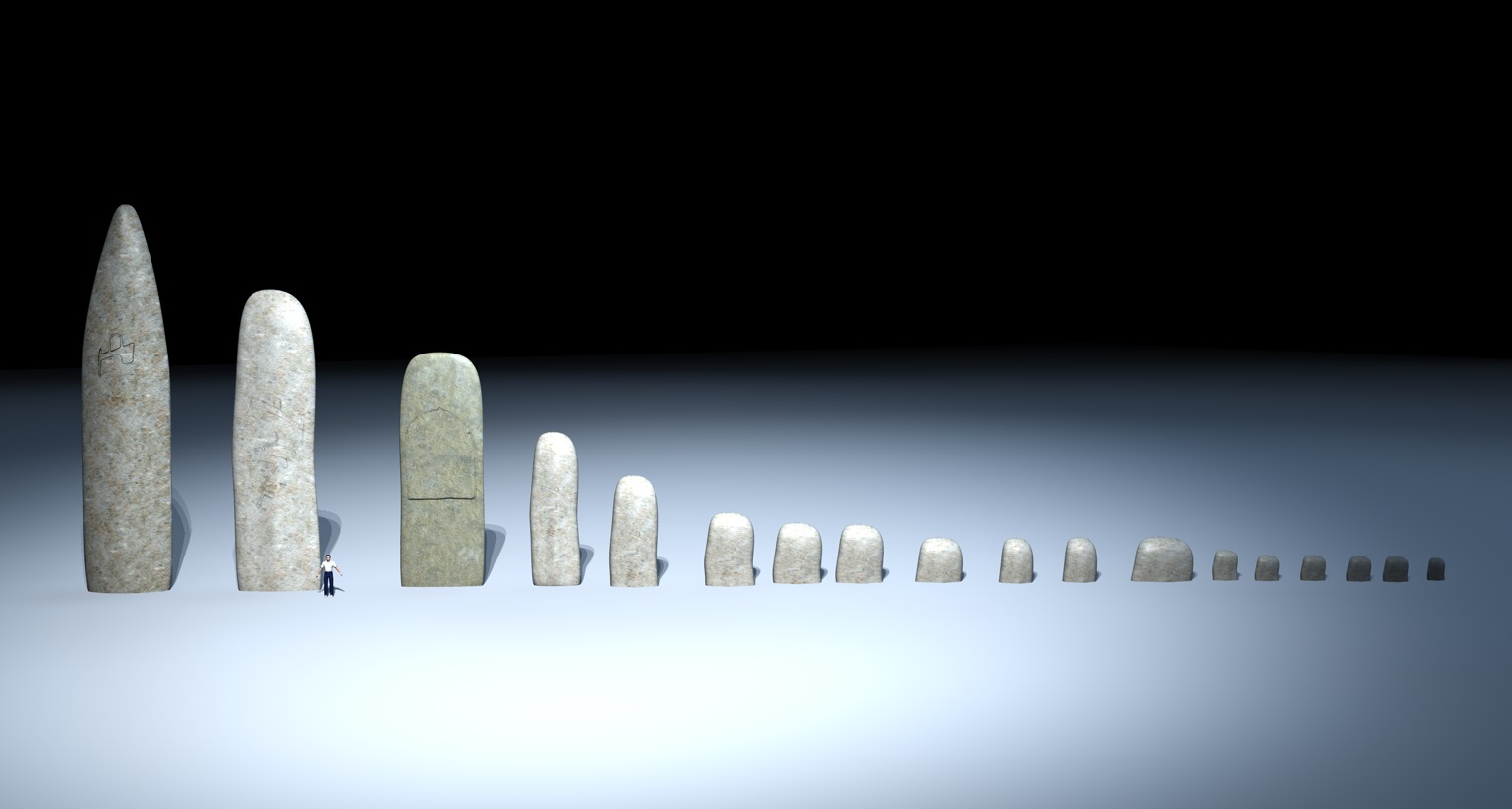
Locmariaquer Site The site of the megaliths (french Site des mégalithes de Locmariaquer) is the home of three remarkable monuments: The Table des Marchands – a passage monument, the Er-Grah tumulus, and the broken Grand Menhir Brisé are in close vicinity. Excavations on the site have revealed 18(19) holes in a line [1]. They were … Read more

Cycles in Nature as basis for religious beliefs and rituals

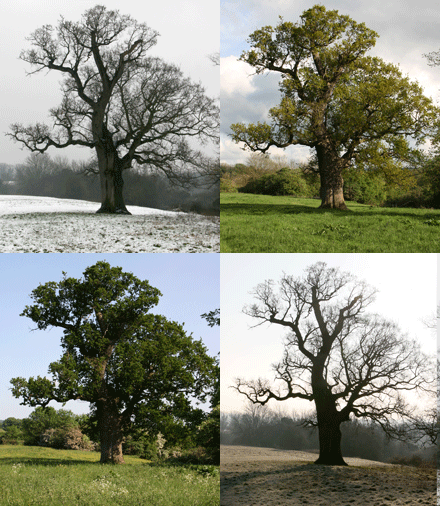
In the temperate climate of northern Europe, the changing seasons create a recurring annual cycle. Vegetation follows a corresponding pattern of growth and decline: after the relative dormancy of winter, new growth begins in spring, reaches its greatest abundance during summer, declines in autumn, and returns to dormancy in winter before the cycle begins again. … Read more

Megalithic art in Brittany

Gavrinis

Elizabeth Shee Twohig’s The Megalithic Art of Western Europe [1] provided one of the major systematic studies and classifications of European megalithic art. Her study focused primarily on paintings and carvings associated with structural elements of megalithic tombs, such as kerbstones, orthostats and capstones. More recent research has broadened the discussion to include decorated stelae … Read more